

Understanding Vaping: Technology, Regulations, and Public Health Considerations
June 5, 2026
Understanding Vaping: Technology, Regulations, and Public Health Considerations
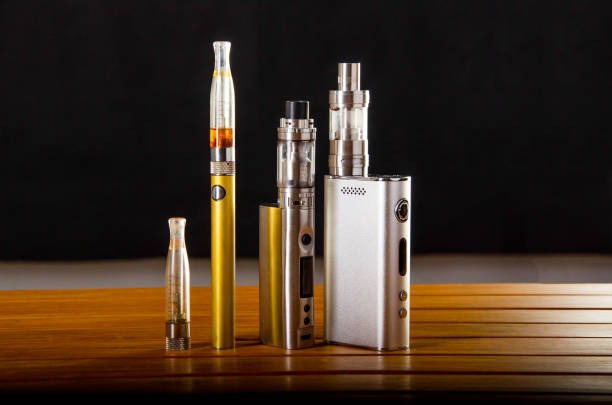
Vaping has become a widely discussed topic due to its increasing use, evolving technology, and ongoing public health research. Electronic vaping devices are designed to heat a liquid into an aerosol that is inhaled, and they are available in a variety of designs and formats. At the same time, governments, researchers, and healthcare organizations continue to study their long-term health effects and develop regulations intended to protect consumers.
Understanding how vaping devices function and the current scientific evidence can help individuals make informed decisions.
How Vaping Devices Work
Most vaping devices contain three primary components: a battery, a heating element, and a cartridge, pod, or tank that holds an e-liquid. When activated, the heating element warms the liquid to create an aerosol for inhalation.
E-liquids commonly contain propylene glycol, vegetable glycerin, flavourings, and, in many products, nicotine. The ingredients and nicotine concentrations may vary depending on the product and the regulations that apply in different countries.
Different device types, including disposable, refillable, and pod-based systems, operate on similar principles while varying in design and maintenance requirements.
Health Considerations
Scientific research into vaping continues to evolve, particularly regarding its long-term health effects. Health authorities generally agree that products containing nicotine can cause nicotine dependence. Research has also found that vaping aerosols may contain substances that can affect the respiratory system, although the degree of exposure depends on factors such as the device, the e-liquid, and patterns of use.
Public health organizations generally recommend that people who do not currently use tobacco or nicotine products avoid starting vaping. Individuals with questions about nicotine use or vaping should consult qualified healthcare professionals for personalized advice.
Regulations and Consumer Awareness
Many countries have introduced regulations covering vaping products. These may include minimum purchase age requirements, product standards, ingredient disclosures, packaging, advertising restrictions, taxation, and retail sales.
Because regulations can change over time, consumers should consult official government sources to understand the legal requirements that apply where they live. Staying informed helps individuals better understand their responsibilities and any updates to the regulatory framework.
Purchasing products that comply with local regulations may also reduce the risk of obtaining counterfeit or non-compliant products.
Smoking Cessation
Some adults who smoke cigarettes may consider vaping while attempting to quit smoking. However, vaping is not considered risk-free, and the most appropriate smoking cessation method varies depending on individual circumstances.
Healthcare professionals can recommend evidence-based approaches such as behavioural counselling, nicotine replacement therapies, approved medications, or a combination of these methods. Professional guidance can help individuals select a cessation strategy that best supports their health goals.
Conclusion
Vaping remains an evolving topic in technology, regulation, and public health. Understanding how vaping devices work, staying informed about current scientific evidence, and following applicable regulations can help adults make informed decisions. For individuals seeking to stop smoking, consulting healthcare professionals remains the recommended approach for identifying safe and effective evidence-based cessation strategies.


